Monday, December 20, 2010

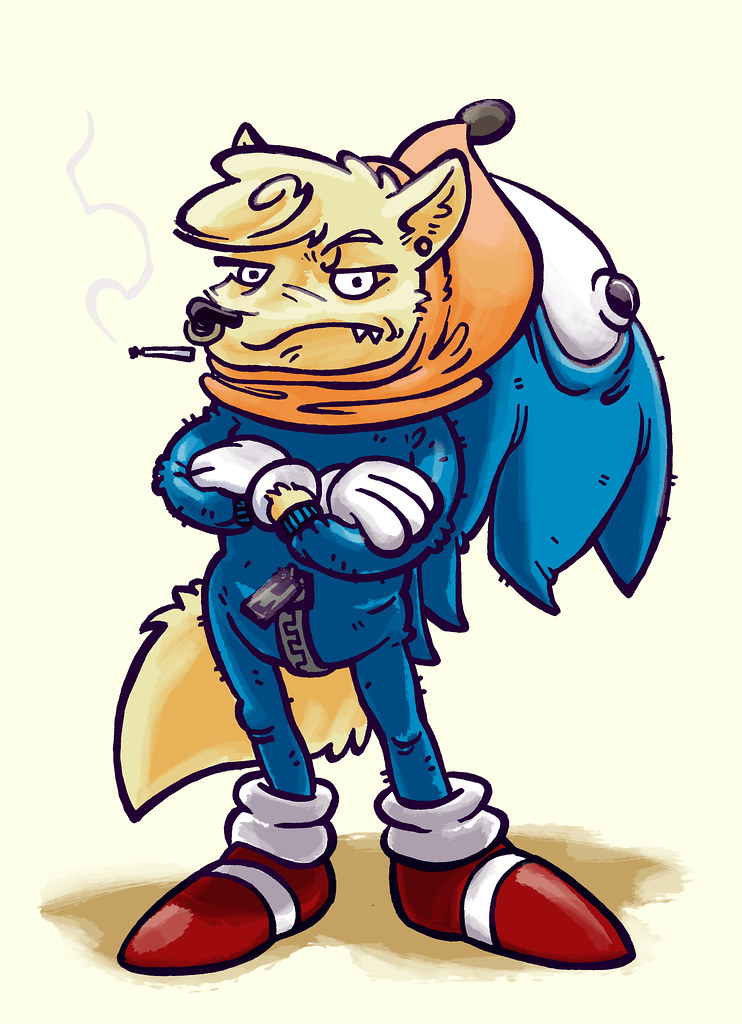
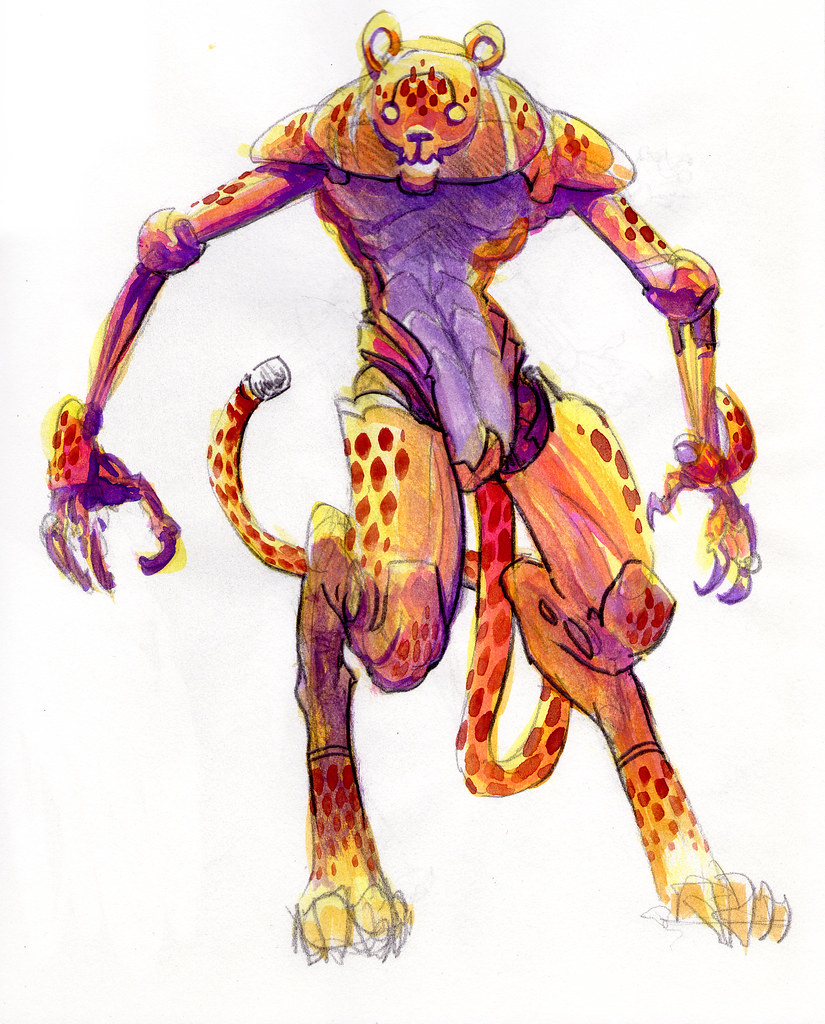
"Caroline"


ink, then digital.

Made for a friend of mine who is a big Sonic the Hedgehog fan.

"Lord of The Flies"


digital.

A speedpaint composition that I finished as a simple poster design.

Watercolors

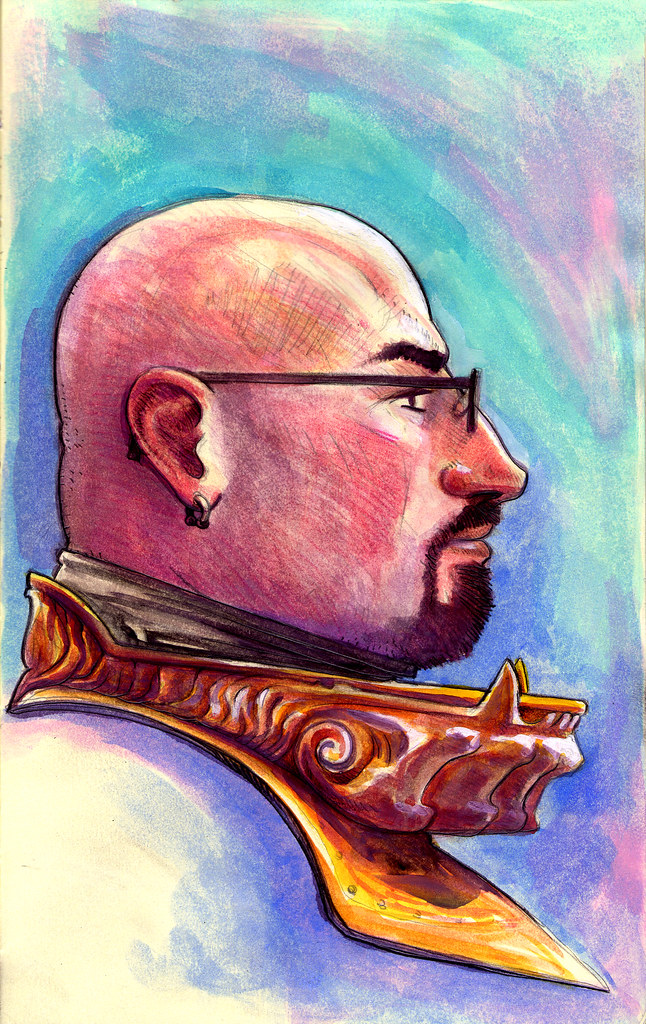
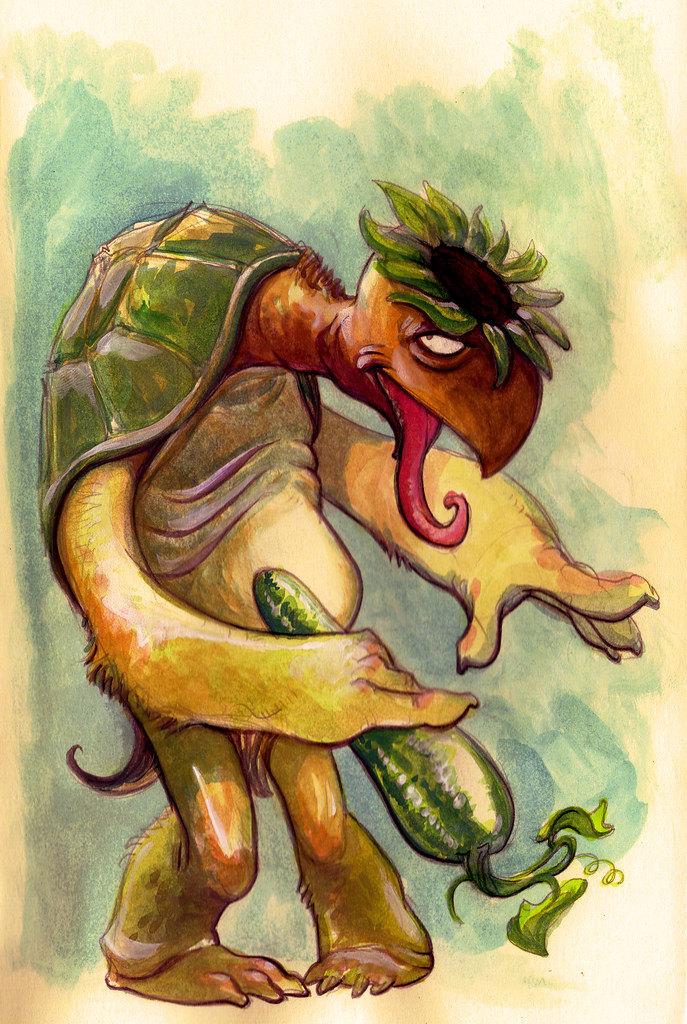
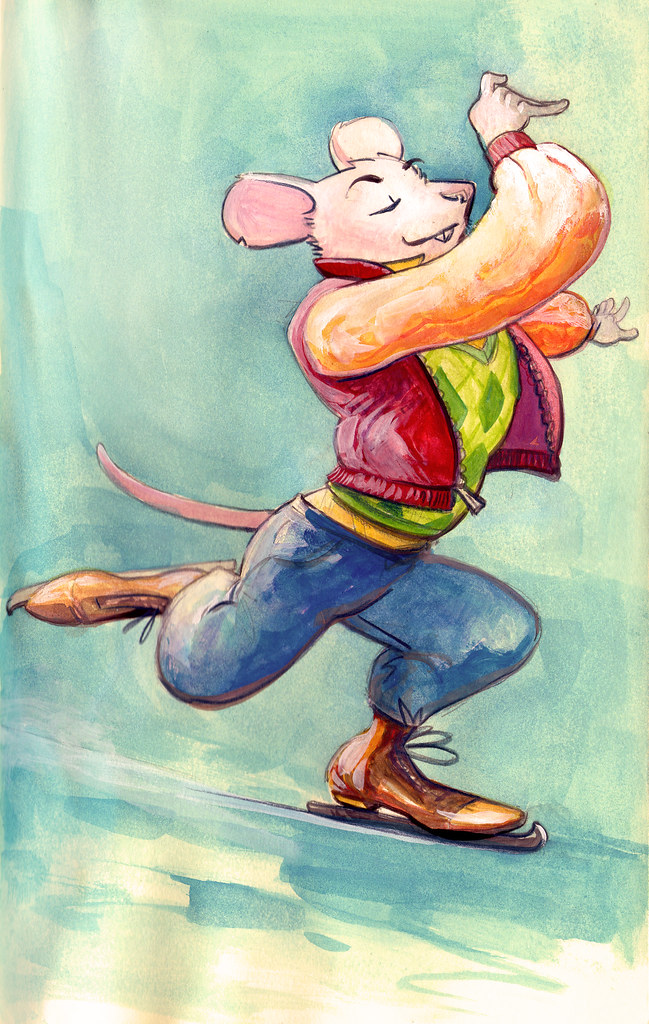
I got a new little moleskine watercolor sketchbook and have put some simple quick paintings into it to help loosen up and sketch more in color.


And something from my regular sketchbook when I didn't have my moleskine on me.

"Minotaur youth"


~8.75" x 6.25". pencil.

"Banrai and Kasan"


"18" x 24". gouache.

Made for commission.

Face details.

Wednesday, November 24, 2010

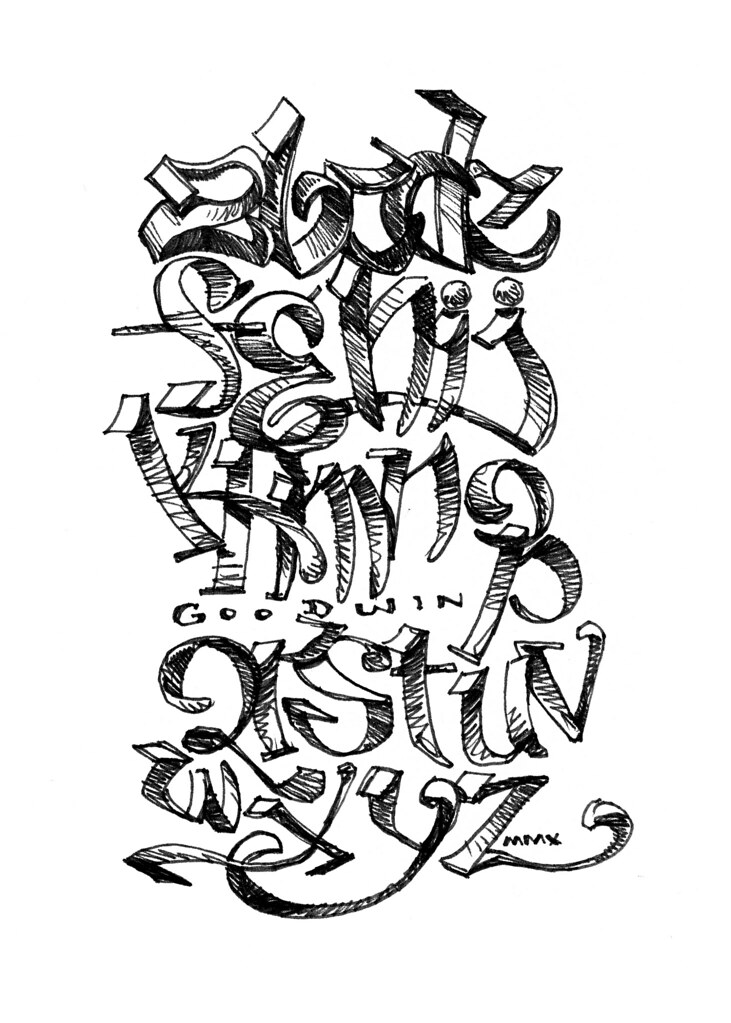
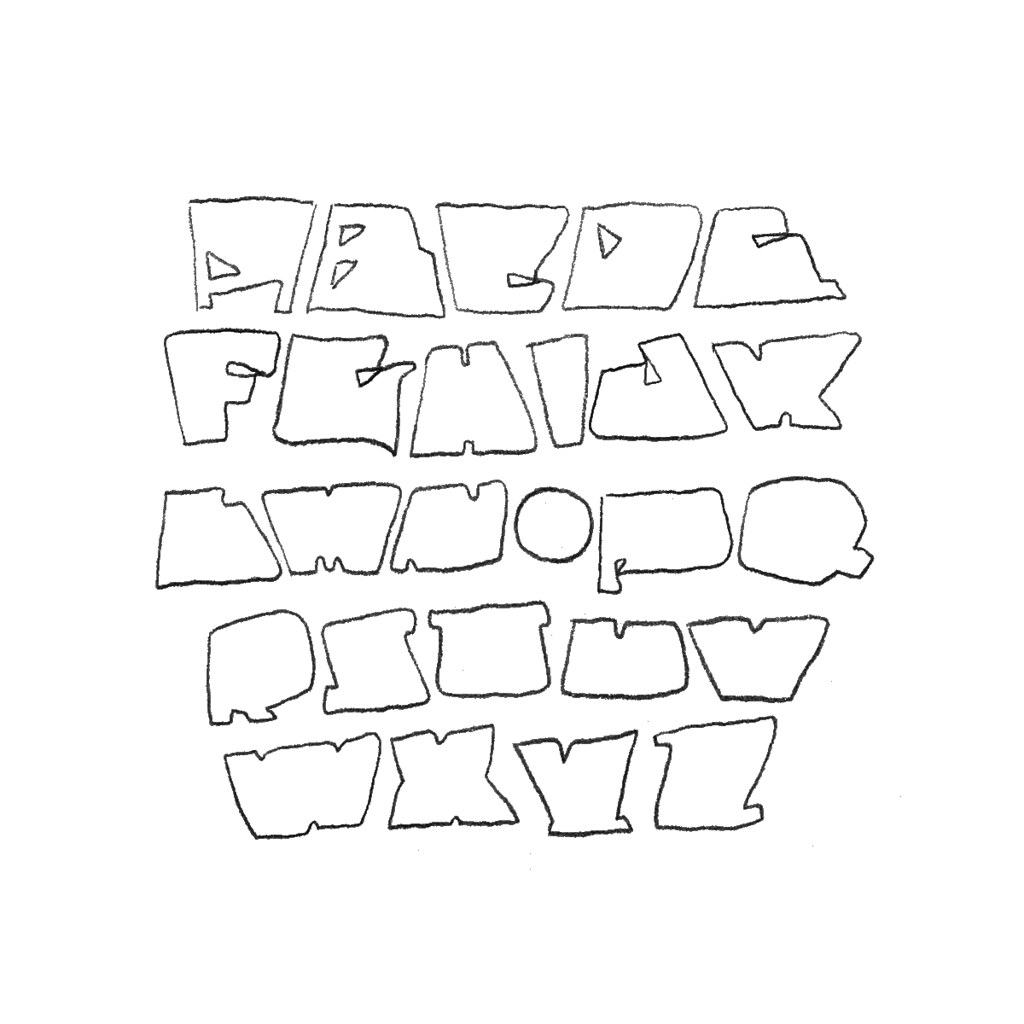
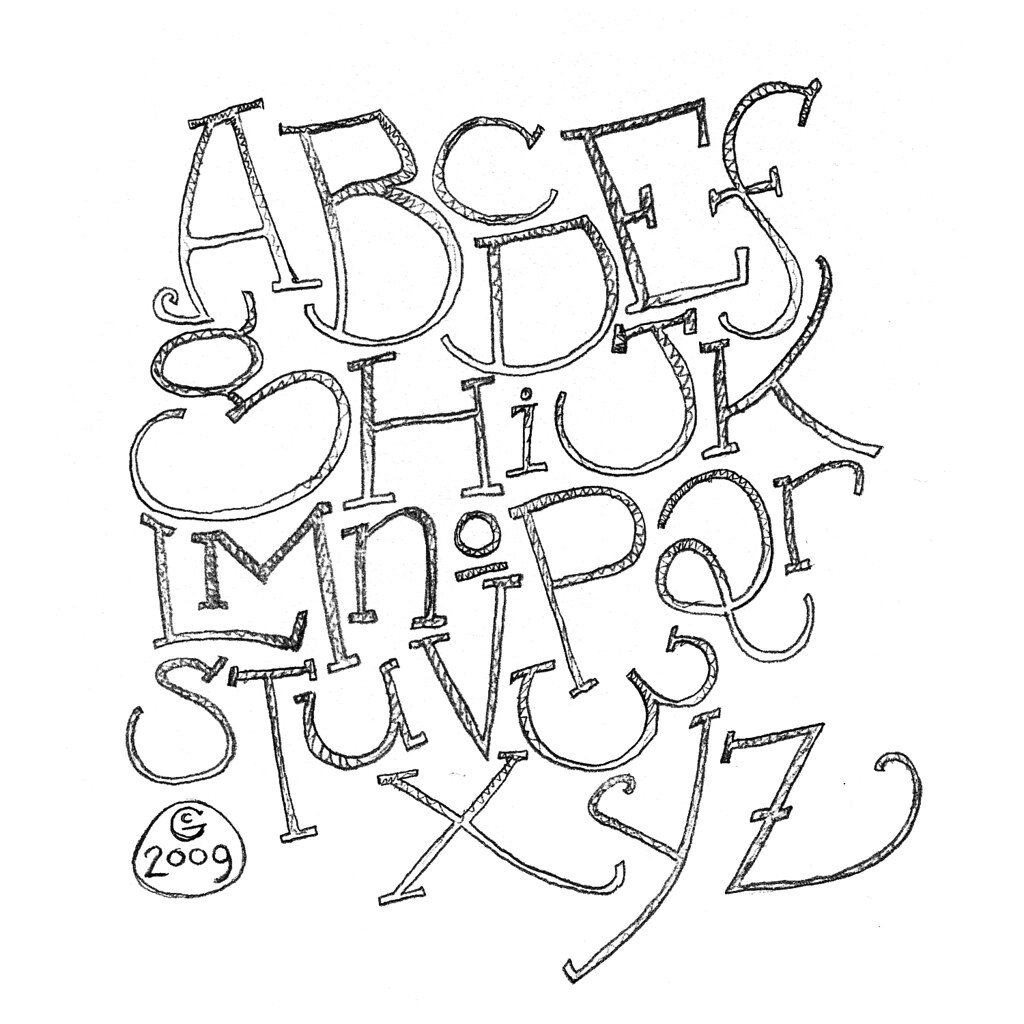
Fonts :)

When I'm bored, typically during the life drawing sessions after I've drawn a couple sketches and am no longer inspired to do more from the model, I'll doodle up alphabets and letterforms. Sometimes students are playing music in the rest of the studio space and I'll just draw out a phrase or verse that I'm hearing in the lyrics or whatever is said in conversation.


1. "Coconino Moon" - Named for the way George Herriman always drew the moon in the old Krazy Kat comics.


2. "Woog"


3. "Lauderdale"


4. "Hooksie" - I was thinking of Earthworm Jim.


5. "Ploog" - Not the random name it might seem, but named for Mike Ploog, who did all the design (though clearly after Vaughn Bodé) and such for Ralph Bakshi's esoteric animated opus Wizards (1977). See it, if you don't know what I'm talking about. Anyway, I had this on my mind at the time.

Drawing letters is fun because they totally have their own gesture, but they aren't real objects, so you don't have to really worry about exactitude or whatever; they are already abstractions. There is enough of a constraint to force creative problem-solving, but open enough as subjects to allow for stress-free, exploratory mark making.

And here's a little random test of the Lauderdale letters as actual type.

Thursday, October 7, 2010

"The Questing Beast"


pencil, then digital.

The questing beast is a creature from Arthurian mythology. I'm currently reading Le Morte D'Arthur, and just finished the passage featuring this creature.

The description in the text is extremely vague, however there are other versions of the tale that give more visual cues. From these, it seems to be a typical case of fanciful elaborations of real-world animals, in this case: the giraffe (also known as the "cameleopard" in Medieval times).

The questing beast is described as having the head and neck of a serpent, the body of a leopard, the haunches of a lion and the feet of a hart. Which would make sense if you were trying to explain what a "giraffe" was to the folks back in Europe.

The name itself comes from the description common to all versions of Arthurian legend, which describe the creature as constantly emitting a noise like of a pack of hunting ("questing") dogs. So.. fill a giraffe full of yelping beagles and foxhounds, and there you go.

It appears after Arthur has a troubling dream about the fall of his Kingdom at the hands of his incestuously conceived son, and so the questing beast is thought to be a bad omen: a symbol of incest and its negative consequences.